

Sheep salamander production process:
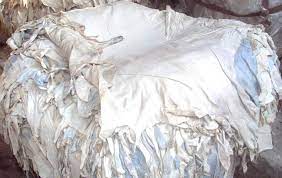
Initially, large bundles of sheepskin are stacked on top of each other and salted to prevent decay. In order for sheep, goat and پوست skins to become different types of leather, different steps must be taken, and usually this takes 6 to 7 days to produce the final product, which is finished leather.
In the first stage of work in the factory, the purchased skins are checked and classified in terms of quality to be prepared for beheading and teleportation. At the Aramhar factory, 5,000 skins are beheaded and removed daily.
After beheading, the skins are placed in special basins to be wetted and washed and the salted surface is removed from their surface, a step that is called “lashing” in the leather industry. Sheepskin should be left in these pools with rollers for several hours to soak well. At this stage, special soaps, chemicals and antibacterial agents are added to the water to remove skin oils and cleanse the skin.
After about 6 to 8 hours, it is now time for the workers to take the skins out of the pool and continue working; They place the skins (from the back) on a surface and apply a solution of a combination of sulfur, lime, water, etc. to loosen the wool roots on the skin and allow it to peel off.
Next, several workers use gloves in one motion to place the leather-soaked leather backs on the table, and then pull a blade over them to remove the loose wool from the skin.
After this it is time to place the skins in the balaban (or drum); A machine that is actually a very large barrel in which there are rollers and the skin is placed in it, and in several stages (in long hours) by mixing with water and various chemicals, it is thoroughly washed and washed with one hand.
Becomes; Actions that usually take two to three days; After these steps, the skin, which is now clear (but fat), re-enters the pools, which are full of acid and salt, a compound that actually acts as a preservative; The skin is removed after a few hours of presence in this solution to dry well; Relatively white skin, called “salambour” in the leather industry.